| Latest Innovations | |
| Chemical Guys News | |
| Exterior How-To's | |
| Interior How-To's | |
| Drying How-To's | |
| Ceramic How-To's | |
| Detailing University |

Key Takeaways:
- Vacuum First, Always: Loose debris gets pressed deeper into fibers the moment a cleaning product is applied. Vacuuming before any liquid touches the seat is the single most important step.
- Agitation Is What Lifts The Stain: Spraying alone moves contamination around. A brush that agitates the formula into the fiber actually releases embedded dirt and staining.
- Protect After Every Clean: Fabric protection applied after cleaning creates a hydrophobic barrier that repels future spills before they penetrate the fiber.
Fabric car seats look easy to clean, but behave differently from other surfaces in the vehicle. The woven fiber structure that makes fabric comfortable also makes it exceptionally good at trapping dirt, body oils, food residue, and bacteria deep in the pile where surface wiping cannot reach.
At Chemical Guys, our fabric and carpet cleaning lineup is designed for exactly this kind of deep-fiber problem, with products that penetrate, dissolve, and lift contamination out of the seat rather than pushing it around.
In this guide, we’ll cover why fabric seats need a specific approach, how to clean car seats correctly, how to treat stains, and how to protect seats after cleaning.
Why Fabric Seats Need A Specialist Approach
How to clean car upholstery effectively starts with understanding why fabric behaves differently from leather, vinyl, or hard plastic surfaces.
What Makes Fabric Seats Harder To Clean
Fabric car seats are made from tightly woven polyester or nylon fibers arranged in loops or cut pile. When someone sits on a fabric seat, body oils and skin cells transfer into the fiber structure. When food or drink lands on the surface, the liquid wicks into the pile via capillary action before any visible stain appears. Once contamination is inside the fiber structure, standard surface wiping cannot reach it. Water alone does not break the bond between contamination and fabric fibers, which is why plain water or household products clean only the visible surface while leaving the source of the stain, odor, and bacteria untouched beneath.
Car Seat Cleaning Tips To Keep Fabric In Better Condition
Vacuum weekly rather than waiting for visible dirt; most embedded contamination is not visible until it has already worked deep into the fibers. Treat spills immediately rather than letting them dry, since fresh liquid lifts cleanly in one blotting pass while dried stains require a stain extractor and multiple agitation passes. Avoid leaving food or wet items on fabric seats for extended periods, as both accelerate the growth of odor-causing bacteria, which becomes significantly harder to eliminate once established. Applying our HydroThread after each full clean means the next spill beads on the surface rather than wicking into the fiber, making every subsequent maintenance clean faster.

How To Clean Car Seats Step By Step
The best way to clean car seats involves a sequence in which each step prepares the surface for the next.
- Vacuum The Entire Seat Thoroughly: Remove all loose debris, crumbs, hair, and surface dirt before any product touches the fabric. Vacuuming after applying a cleaner embeds particles deeper. Use a crevice tool on seat seams and the gap between the seat base and backrest.
- Pre-Treat Visible Stains First: Apply Lightning Fast Stain Extractor directly to any visible staining before the full-seat clean. Allow 30 to 60 seconds of dwell time for the formula to penetrate and begin breaking down the stain.
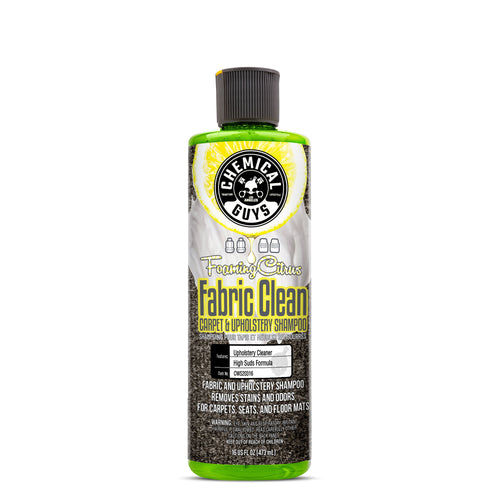
- Apply Foaming Citrus Fabric Clean To The Full Seat: Spray Foaming Citrus Fabric Clean Carpet & Upholstery Shampoo across the entire seat surface. The oxygen-infused foam expands within the fiber structure, surrounding dirt and other contaminants to separate them from the fabric.
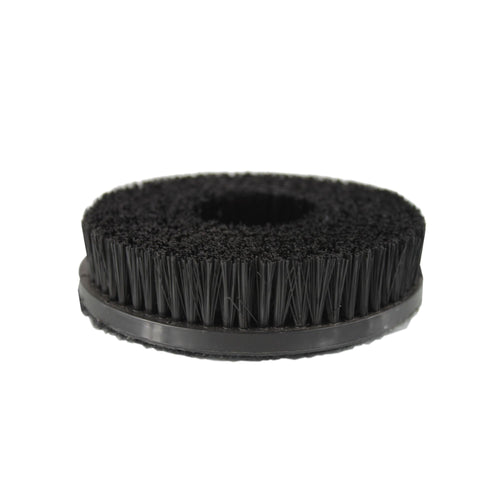
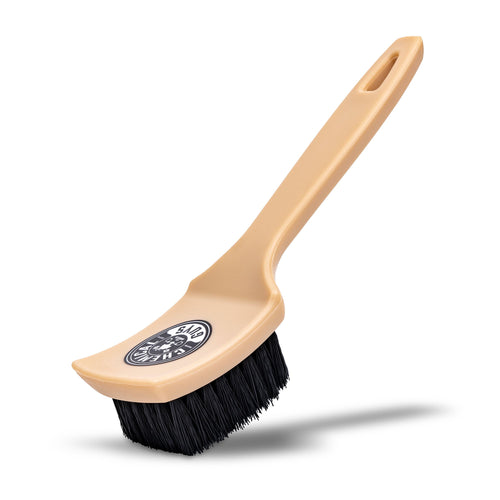
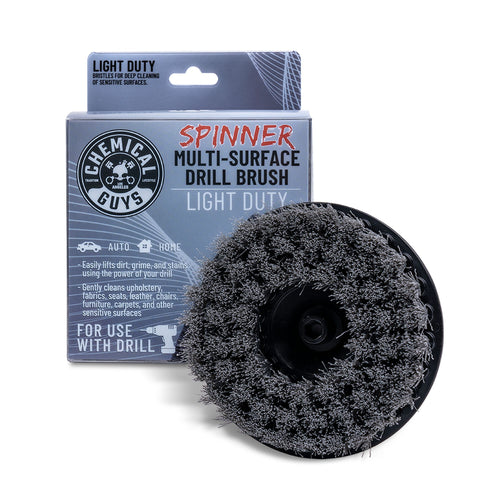
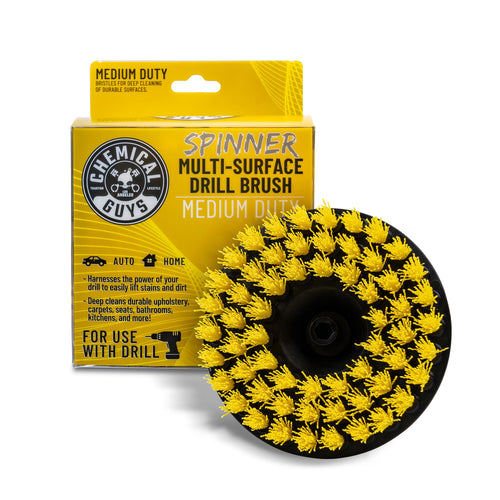
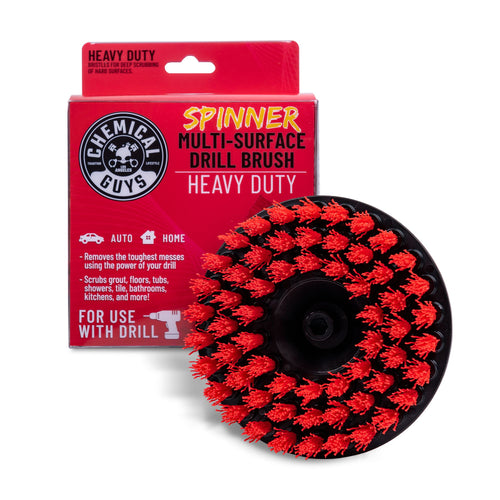
- Agitate With A Brush In Straight Overlapping Strokes: Work a dedicated interior brush across the seat in straight overlapping strokes in the direction of the fabric grain. This works the formula into every fiber and physically releases embedded contamination. Circular scrubbing spreads contamination rather than lifting it.
- Blot With A Clean Microfiber Towel & Allow To Dry: Press a clean microfiber towel firmly onto the seat and blot to absorb lifted contamination and excess moisture. Never rub. Allow the seat to dry completely with windows open before use or before applying any protection product.
How To Treat Stains And Protect Fabric After Cleaning
How to remove stains from car seats effectively requires a different approach depending on whether the stain is fresh or set.
How The Lightning Fast Stain Extractor Works On Fabric
Our Lightning Fast Stain Extractor is the dedicated car seat cleaner for fabric stains that a standard spray-and-wipe approach cannot remove. It penetrates deep into fabric fibers, dissolves tough stains, then emulsifies and lifts the dissolved material to the surface for blotting away. Blended with odor-eliminating enzymes that neutralize the bacterial source of odors rather than masking them, it is safe on all fabric colors, will not fade or bleach, and can be diluted up to 20:1 for lighter staining. For the full range of fabric and carpet cleaning products, our Carpet & Cloth collection covers every formula from stain extractors through fabric shampoos and protection products.
Protecting Seats After Cleaning With Hydrothread
Once seats are fully clean and dry, our HydroThread Ceramic Fabric Protectant & Stain Repellent bonds a SiO2 ceramic layer to the individual fibers, creating a hydrophobic barrier that causes future liquid spills to bead on the surface rather than wicking into the fibers. A spill on HydroThread-treated fabric remains on the surface long enough to be blotted away before it penetrates. For complete interior fabric cleaning, our Interior Kits collection offers fabric-specific kits for every level of interior care.

Common Mistakes That Damage Fabric Car Seats
Knowing what not to do protects fabric seats as much as knowing the correct technique. The most common mistake when cleaning fabric seats is applying too much liquid. Over-wetting drives contamination deeper into the padding rather than lifting it out and creates a damp environment that encourages mold and mildew growth. Apply cleaning products in controlled amounts and blot thoroughly. Using household detergents or all-purpose cleaners not formulated for automotive fabric leaves surfactant residue in the fibers that attracts new dirt, making seats dirtier faster after cleaning than before.
Skipping The Dry Step And Applying Protection Too Early
Applying fabric protection to a seat that is still damp from cleaning prevents the protectant from bonding properly to the fibers. HydroThread and other ceramic or stain-repellent formulas bond to clean, dry fiber surfaces. Applying to damp fabric dilutes the formula, creates uneven coverage, and significantly reduces the duration of protection.

Final Thoughts
Fabric car seats respond better to the right cleaning approach than most drivers expect. The difference between seats that look tired and seats that look genuinely clean comes down to the full sequence: vacuuming first, using a formula designed for fabric fibers, agitating properly, blotting rather than rubbing, drying completely, and protecting once dry.
At Chemical Guys, our Foaming Citrus Fabric Clean, Lightning Fast Stain Extractor, and HydroThread provide every driver with a complete system for properly cleaning, restoring, and protecting fabric seats.
Frequently Asked Questions About Cleaning Car Seats
Can the same products be used on cloth seats and fabric floor mats?
Yes. Our fabric cleaners are formulated for all automotive fabric surfaces, including seats, floor mats, door panel fabric, and headliners. The same process applies across all fabric surfaces.
How long do fabric seats take to dry after cleaning?
Most fabric seats dry within 1 to 3 hours with the windows open to improve airflow. Always allow complete drying before applying any fabric protection product.
Can a car seat cleaner damage fabric?
Our fabric cleaners are water-based, pH-balanced, and safe on all automotive fabric colors. The risk of damage comes from over-wetting, using harsh household chemicals, or scrubbing too aggressively.
How often should fabric car seats be cleaned?
Every one to three months maintains seats well. High-use vehicles or seats exposed to food and pets may benefit from more frequent spot treatment with a stain extractor between full sessions.
Does Lightning Fast Stain Extractor eliminate pet odors from car seats?
Yes. Lightning Fast is blended with odor-eliminating enzymes that neutralize the bacterial source of pet odors, including urine. Multiple applications on heavily odored fabric may be needed for complete elimination.
Can fabric seats be cleaned with a carpet extractor?
Yes. Lightning Fast serves as a pretreatment for hot-water extraction systems. Apply, allow to dwell, then extract with a carpet cleaner for a deeper clean than manual blotting alone achieves.